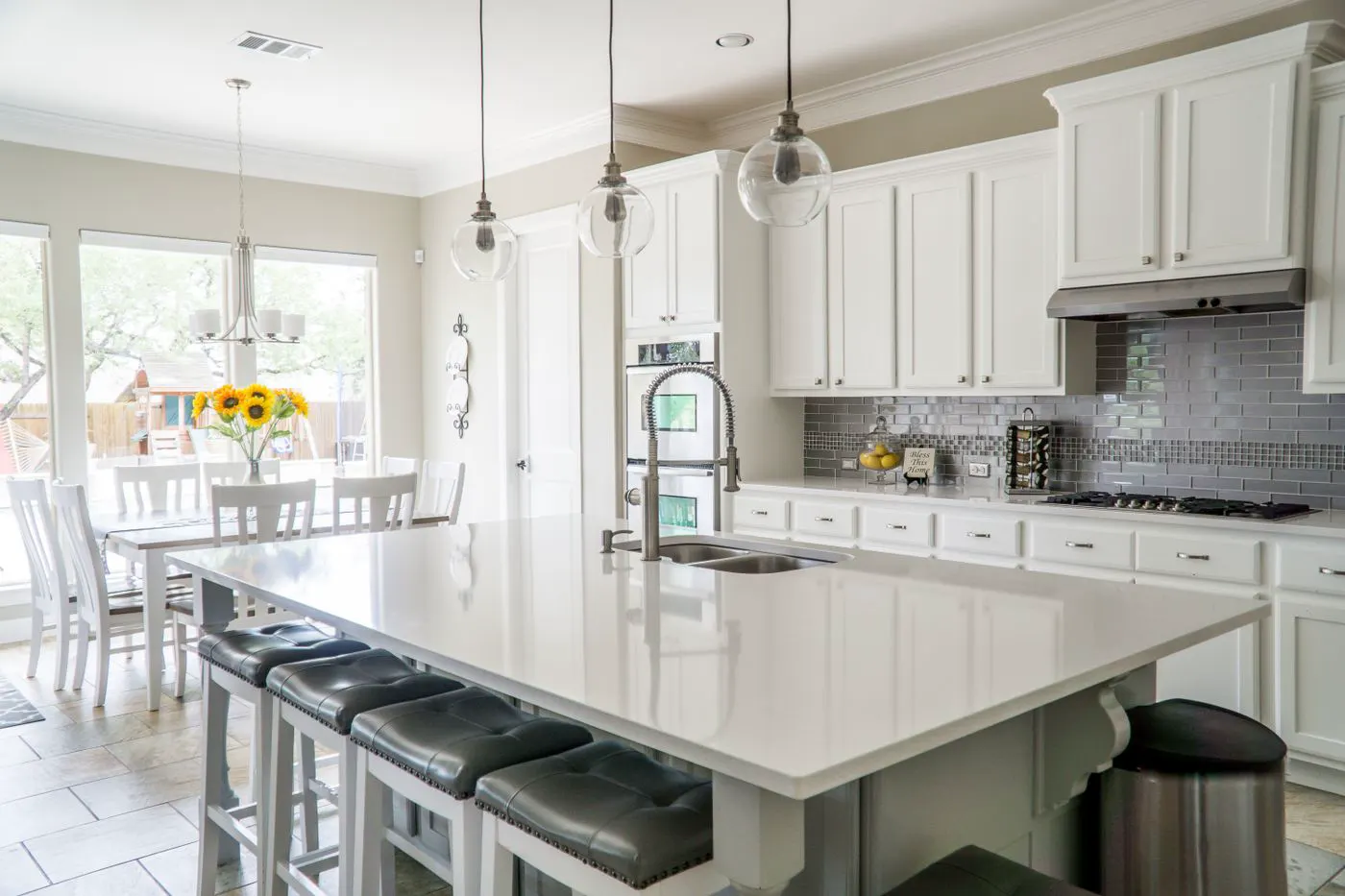
Flat-pack kitchens are sold on day-one alignment. Five winters later the room has heated, cooled and taken the weight of pans. Hinges loosen. Plinths scuff. Worktops near the kettle take a pale ring.
What five winters reveal
Hispana Communications is not anti-flat-pack. It is anti-amnesia. A kitchen that was built to a price can still serve well if households budget for adjustment, not only for the original weekend of assembly.
What five winters reveal is where the flatpack kitchen either earns its keep in the galley or admits it is in the way. Hispana Communications stays with the weekday use, not the listing photograph.
For what five winters reveal, start with a small test: load the base unit with actual tins and close the door on them. If that still works, run the tap and watch whether the worktop joint still looks honest. Neither step needs a made-up national figure.
Carcases, moisture and the sink run
Particleboard edges hate persistent moisture. A slow drip behind the sink unit is quieter than a renovation and more destructive. Silicone that cracked two years ago is a maintenance item, not a moral failure.
You can usually take wall units if the landlord agrees in writing. You cannot take the holes. That split is sharpest around carcases, moisture and the sink run.
A winter extract that never runs will swell the cheapest board first. Carcases, moisture and the sink run is often the first place that seasonal gap shows.
Skipping the rail at the back of a wall unit is how doors drop in year two. Under carcases, moisture and the sink run, fix that before you buy another flatpack kitchen.
Day-one alignment is a photo. Year-five hinges are the kitchen.
Handles, soft-close and the morning rush
Soft-close that fails becomes a slam. Handles that snag sleeves become daily irritation. Replacing a hinge set is cheaper than replacing a door, if the door holes still match current hardware.
The dishwasher kickboard is where leaks announce themselves. Keep that neighbouring constraint in view while you decide anything about handles, soft-close and the morning rush.
The job of the flatpack kitchen remains to stand up to steam, weight and a weekly shop. Handles, soft-close and the morning rush is one place that job becomes visible without a renovation invoice.
Do the reversible fix first on handles, soft-close and the morning rush. If the flatpack kitchen still fails after a week of ordinary use, name the constraint (width, heat, light, a door swing) and stop buying around it.
Drawers, runners and the heavy pan
Soft-close drawers that sag tell you the runner was rated for lighter loads than the casserole set. A shim and a replacement runner are maintenance. Ignoring the sag until the drawer face hits the unit next door is how a kitchen starts to look tired in photographs that still show day-one doors.
Keep the spare screws from the original box. Flat-pack kitchens are a long conversation with small metal parts.
Kickboards that come loose are not a personality flaw. They are clips that need a firm press after the vacuum finds them.
Hispana Communications will not invent a typical UK measurement for drawers, runners and the heavy pan. Take a tape into the galley and write down what the flatpack kitchen actually blocks.
A dated photo of drawers, runners and the heavy pan helps later arguments about the galley more than a memory of one wet evening.
Adjusting doors without a full teardown
Most contemporary hinges have depth and height screws. A careful half-turn can close a gap that looks like a rebuild. Photograph the hinge before you turn anything.
Owners, renters and people in between meet adjusting doors without a full teardown with different permissions. The physical problem is shared. The reversible kit is the one that still makes sense when you leave.
If adjusting doors without a full teardown only works on a staged Saturday, it is not working. The useful test is a school-morning or a dark commute, in the galley you actually have.
Adjusting doors without a full teardown is where the flatpack kitchen either earns its keep in the galley or admits it is in the way. Hispana Communications stays with the weekday use, not the listing photograph.
Worktop joins and kettle steam
Joins near boiling water need resealing sooner than joins by the fridge. Steam is water with a commute.
For worktop joins and kettle steam, start with a small test: load the base unit with actual tins and close the door on them. If that still works, run the tap and watch whether the worktop joint still looks honest. Neither step needs a made-up national figure.
You can usually take wall units if the landlord agrees in writing. You cannot take the holes. That split is sharpest around worktop joins and kettle steam.
A winter extract that never runs will swell the cheapest board first. Worktop joins and kettle steam is often the first place that seasonal gap shows.
Hinges that need a screwdriver, not a replacement kitchen
Skipping the rail at the back of a wall unit is how doors drop in year two. Under hinges that need a screwdriver, not a replacement kitchen, fix that before you buy another flatpack kitchen.
The dishwasher kickboard is where leaks announce themselves. Keep that neighbouring constraint in view while you decide anything about hinges that need a screwdriver, not a replacement kitchen.
The job of the flatpack kitchen remains to stand up to steam, weight and a weekly shop. Hinges that need a screwdriver, not a replacement kitchen is one place that job becomes visible without a renovation invoice.
Worktop joints and the kettle
Do the reversible fix first on worktop joints and the kettle. If the flatpack kitchen still fails after a week of ordinary use, name the constraint (width, heat, light, a door swing) and stop buying around it.
Hispana Communications will not invent a typical UK measurement for worktop joints and the kettle. Take a tape into the galley and write down what the flatpack kitchen actually blocks.
A dated photo of worktop joints and the kettle helps later arguments about the galley more than a memory of one wet evening.